




- Image
- Image
- Image
Wednesday, 21 January
- CLASSIC WHALE TOUR |13:00
Today's whale watching tour from Reykjavík is on schedule! Remember to dress according to weather and feel free to borrow our thermal overalls if needed!
CLASSIC WHALE TOUR | 13:00
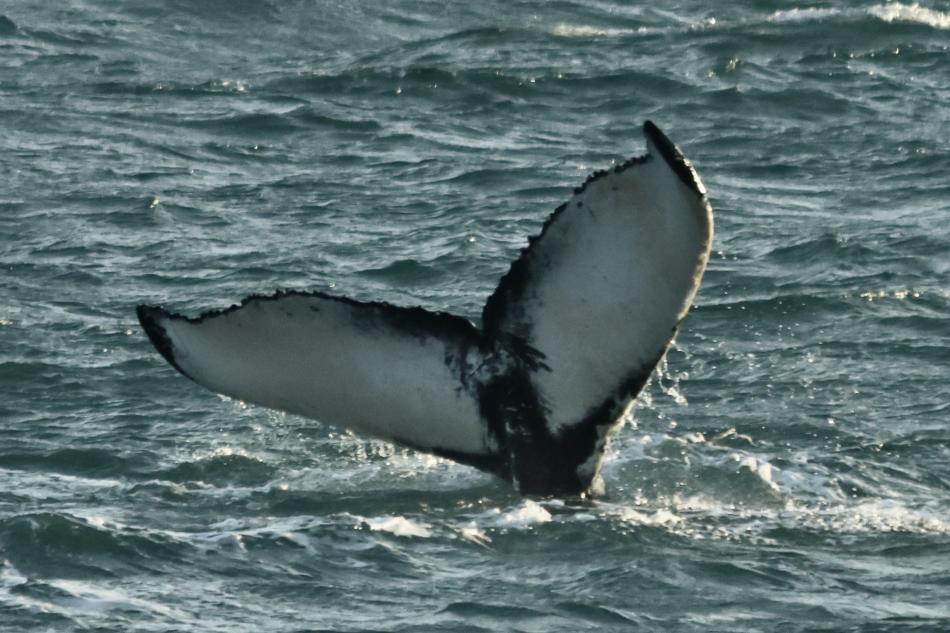
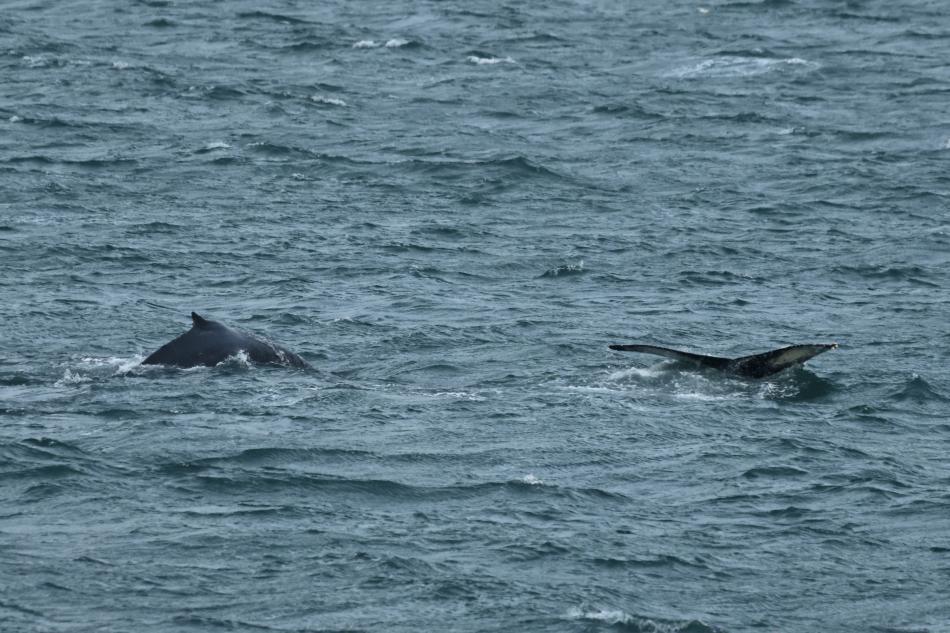
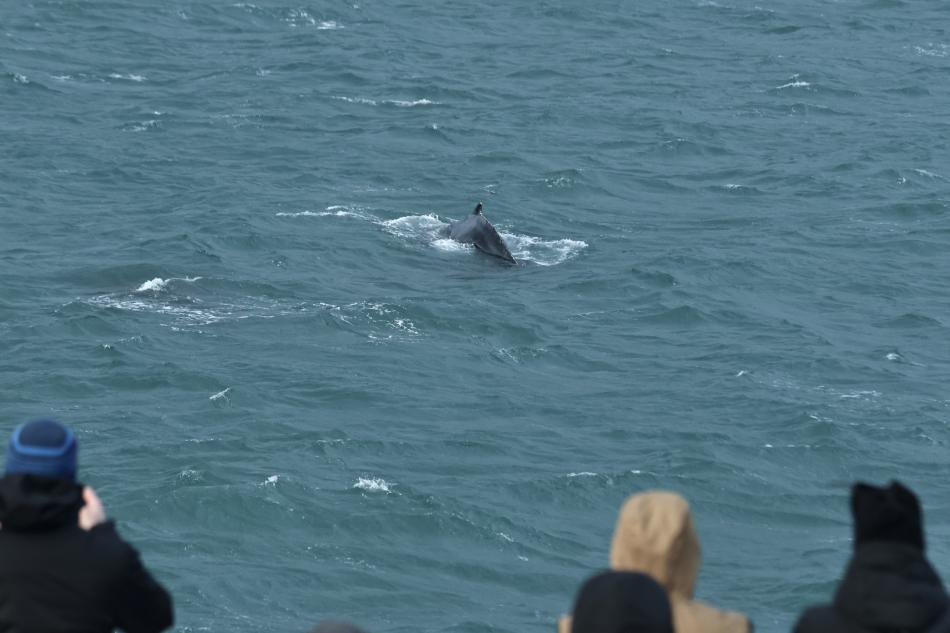
Report from Eldey: Today we had a bit of wind but the temperature was pretty mild for January! We headed out of the harbour and started our search around the islands. After passing Engey and Viðey, we spotted our first blows! It was the same pair of humpback whales that have been together the last week or so - Banana and their new friend! They were feeding so were moving around a lot and keeping us on our toes. After watching them for a while, and getting a few close encounters, we decided to move on and search for other cetaceans. We passed around Lundey and spotted a solitary harbour porpoise but unfortunately we were only able to see it once. We then went back to our original pair of humpbacks to see them a couple more times before going back to the harbour. Suddenly, one of the whales did a full breach out of the water right in front of us! Incredible! We watched them a little while longer after this spectacle but then our time started to run out and we had to go back to the harbour.
- Emily Erskine
Birds encountered today include:
Eider duck, northern fulmar, black guillemot, common guillemot, razorbill, herring gull, great black-backed gull, lesser black-backed gull, European shag, black-legged kittiwake, great northern diver
Wildlife encountered today:

The Humpback Whale is quite spectacular undergoing the longest migration of any mammal (5176miles/8334km one way), attracting females by singing to them and of course their energetic nature. On many occasions humpbacks have been seen breaching, tail slapping, fin slapping, blowing bubbles and spy hopping just to mention a few. The humpback is also one of the larger whales we encounter

The Harbour Porpoise is the smallest and most abundant cetacean around Iceland. They are usually shy but occasionally they come and play around the boats. They can be relatively hard to spot from a distance due to their size and their abundance depends entirely on the food availability of our shores since they are opportunistic feeders.