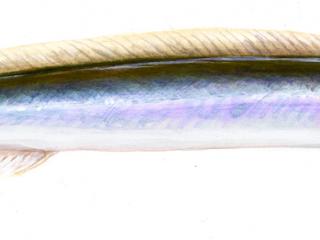
There are three types of sandeels found in Icelandic waters Ammodytes tobianus (Lesser Sandeel; Sandsíli), Ammodytes marinus (Lesser Sandeel; Marsíli) and Hyperoplus lanceolatus (Greater Sandeel; Trönusíli).



There are three types of sandeels found in Icelandic waters Ammodytes tobianus (Lesser Sandeel; Sandsíli), Ammodytes marinus (Lesser Sandeel; Marsíli) and Hyperoplus lanceolatus (Greater Sandeel; Trönusíli).
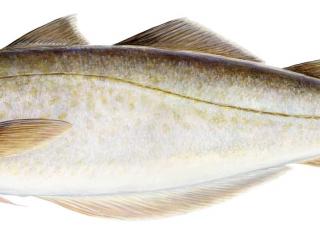
This species is commercially caught in European waters but low value bycatch in Iceland. In the past, due to the low commercial value of this species, many countries considered it to be food for the poor or pets. Now because stocks are declining it has become more highly valued.
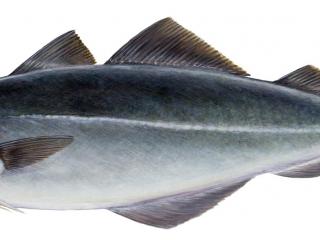
Saithe looks a bit like haddock but whereas the haddock has a black lateral line the pollack has a white lateral line. Juveniles stay in the shallow waters around Iceland and then head to deeper waters as grow especially, in the South and West of Iceland, which are the main feeding grounds.
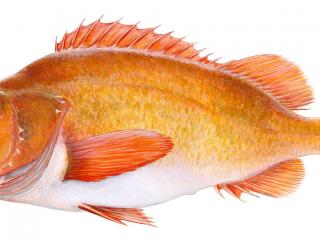
Redfish is one of the most commercially important fish in Icelandic waters. They mate in early winter and the females will carry the eggs and sperm until they hatch in April/May in particular areas in the southwest. They are caught all year round but late winter is best. Main markets for this fish are in Germany, Japan and Holland where it is exported too.
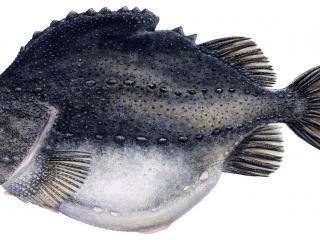
The lumpfish is mainly caught in late winter when they come to shallower waters to spawn. Males arrive first and make a nest in kelp beds then the female comes into spawn before heading back out into the open ocean leaving the male to guard the nest until the eggs hatch which usually takes about two months.
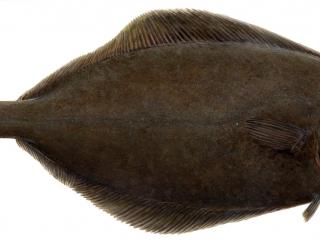
Atlantic Halibut are the largest bonefish around Iceland and can grow to a staggering 5m in length and an old age of 50 years. It has now been overfished considerably to the stature that it is no longer a targeted commercial fish, however it is still found in bycatch of other groundfish fishing methods such as Danish Seine and Trawlers.
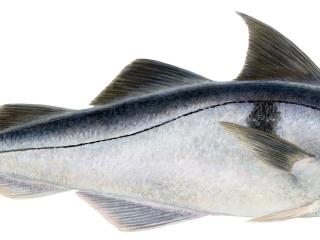
Haddock is easily recognised by the black lateral line along its white side and a black blotch behind the pectoral fins. Haddock is the most common and preferred species of fish to be eaten in Iceland. This may be because cod was better suited for salting and thus exporting making haddock more available for local consumption.
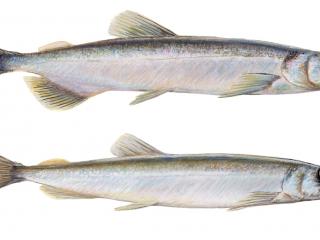
Capelin is a cold water species and the most ecologically important fish in Icelandic waters. It links the food web between zooplankton and larger fish or baleen whales. Comprising 40% of a cods diet, for example. The capelin spawning grounds are in the South and Southwest of Iceland. The larvae then drift to North Iceland towards Greenland.
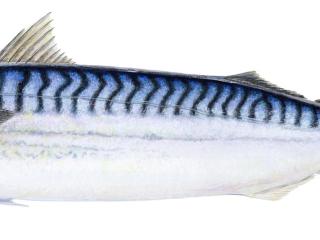
Mackerel has been known to migrate to Icelandic waters as far back as the 1900 and sporadically since then. It is now becoming more frequent due to the warm current oceanic conditions. Since, 2006 mackerel catches have increased exponentially around Iceland.
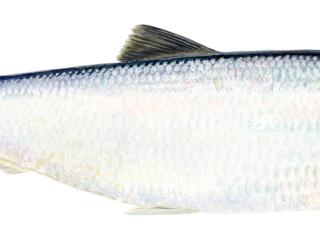
Herring is the most abundant fish in the North Atlantic. It is a multi spawner unlike capelin and spawns in shallow water. There are two separate stocks in Iceland. The Atlanto-Scandian stock spawns in Norwegian waters then the larvae get swept with the currents to Northern Norway, Barents Sea and Russia to the nursing grounds.