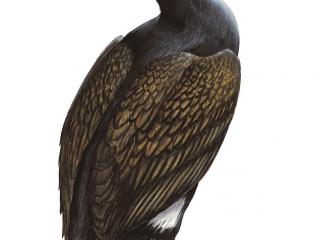
We usually observe cormorants on seawalls or at the islands we visit to see the puffins. Sometimes you see them with their wings spread out. They do this because they need to dry their wings before flying, as they have no waterproofing oils like most seabirds. They have also been known to swallow stones to allow them to dive deeper and also help them to grind food in their stomachs. 

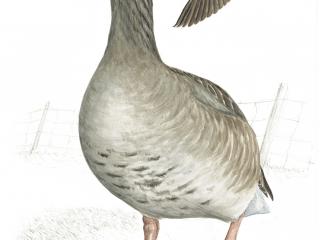
These are frequently seen on the two Puffin colonies we visit Lundey/Akurey. When in flight they are usually in their V or line formation taking turns to lead. This formation that geese fly in is thought to reduce drag or air resistance thus making it more aerodynamic and allows them to fly long distances will little effort. 

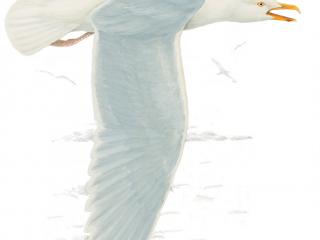
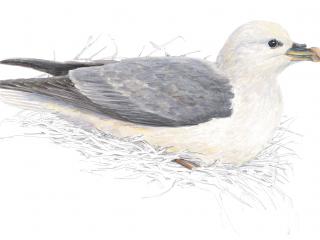
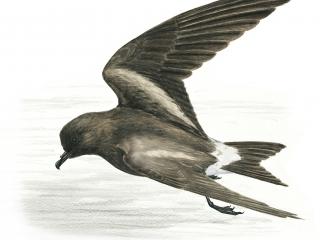
The fulmar comes from the tubenosed family of seabirds, which also include petrels, albatrosses and shearwaters. Their nasal passages (naricorns) are located on top of their bill and used for breathing, secreting salt and for the olfactory system. Their genus name Fulmarus comes from the Old Norse words full meaning foul, and mar meaning gull.