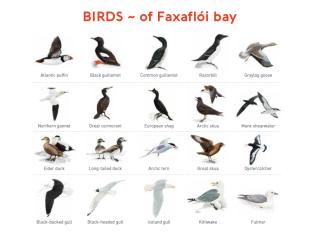




birds of faxaflói bay illustration

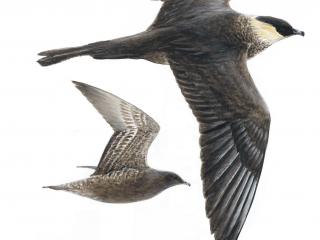
Seabirds are an important part of every whale watching tour and they often guide us to the whales. During the summer months the puffins make a spectacle of themselves as well as the gannets, fulmars, guillemots, skuas, arctic terns and many more. The winter birdlife is not so diverse but it is nice to see certain species in areas that you wouldn't normally see.

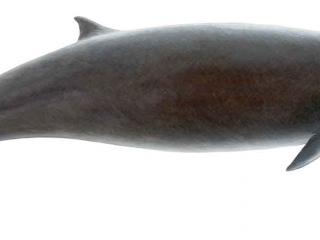
Northern bottlenose whales are found only in the North Atlantic and are the largest members of the beaked whale family Ziphiidae in the North Atlantic Ocean. They were last seen in Faxafloi Bay on one of our tours in 2008, usually observed in the north of Iceland. A defining characteristic of this species is the large bulbous forehead and the stubby beak is well defined and a pointed

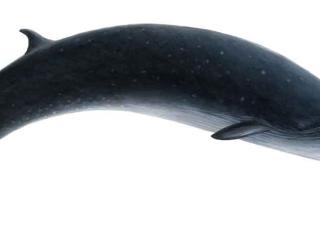
Sei Whales are the third largest species in the world, after the Blue Whales and Fin Whales. We saw this species for the first time on a whale watching tour in the summer 2012 and hopefully we will see more of them in the future. This species is rarely seen on whale watching tours because they prefer deep offshore waters and avoid ships and boats for the most part.

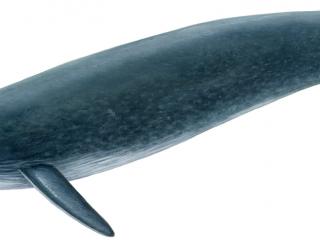
The blue whale is the largest known animal to have ever lived on our planet! Their heart alone weighs 600 kg. and is about the same size as a Volkswagen beetle car and even a small child could crawl through the aorta (main artery of the heart). They feed mainly on krill, which is somewhat like a small shrimp or prawn and can eat up to 4000kg a day. They are also one of the loudest ani

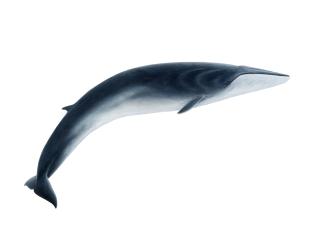
Fin whales are the second largest animals after the blue whale. Fin whales have been know to mate with blue whales and produce viable offspring. It is incredible to see the exhaled breath (blow) reaching 6-10 meters high just like a small geyser rising from the oceans surface and the long body that seems never ending as it dives back into the blue abyss.

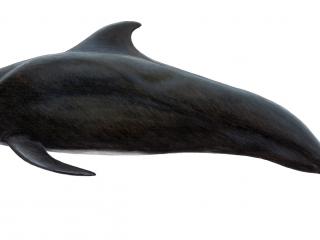
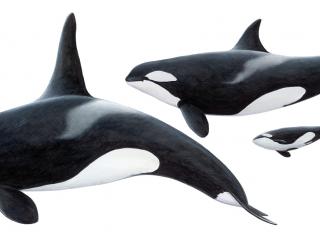
This is one of the Elding crew's favourite species so excitement is especially high when we get to see these amazing animals. Occasionally they venture into Faxaflói Bay but chances of seeing them are greater when we sail from other harbours. They are the largest of the dolphins and the male dorsal fin can get up to 1.8m high and very triangular whereas the females dorsals are curved.

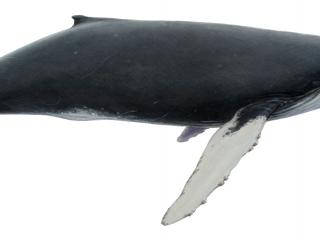
The Humpback Whale is quite spectacular undergoing the longest migration of any mammal (5176miles/8334km one way), attracting females by singing to them and of course their energetic nature. On many occasions humpbacks have been seen breaching, tail slapping, fin slapping, blowing bubbles and spy hopping just to mention a few. The humpback is also one of the larger whales we encounter