Image






Due to the latest recommended social gathering restrictions to further prevent the coronavirus spread, a decision has been made to stop running the
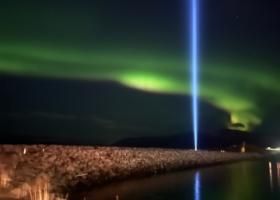
In Iceland, the Northern Lights are most commonly visible from September to mid-April, painting the night sky with dynamic shapes and vibrant colours under dark, cloudless nights. Explore this FAQ list to uncover everything you need to know about this breathtaking natural phenomenon!
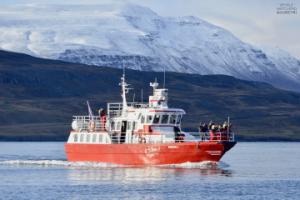
The m/s Konsúll was originally built in Norway in 1985 and served there as a ferry boat. In 2016 she was brought to Akureyri where she has since served loyally as one of the fastest and most agile whale watching boats in the country.
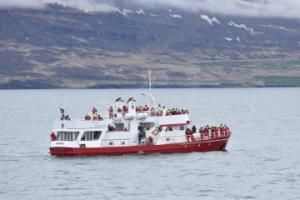
The m/s Ambassador has been referred to as one of the best whale-watching boats in Iceland, due to her six observation platforms. She was originally built in Hamburg, Germany in 1971 as a police vessel. In 1998 she was refurbished as a pleasure yacht and later sold to Sweden. She was brought to Iceland in 2012 and was refurbished and specially designed for whale-watching in Iceland.
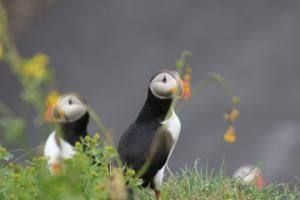
As a tour operator and an environmentally aware company, Elding has been assisting and conducting research programmes in collaboration with national and international institutions. Last week, we collaborated with Dr. Erpur Snær Hansen (Director of

FlyOver Iceland is located in the exciting Grandi Harbor District, this all season attraction takes you on a breathtaking journey across Iceland. Soar over land, sea and ice. Move with the arctic winds. The ride utilizes state-of-the-art technology to give the guest the feeling of flight.
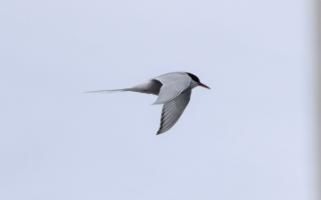
Did you know that it is the first day of Summer in Iceland today? The first Thursday after April 18th is Sumardagurinn Fyrsti and a national holiday since 1971. But for many the arrival of summer is marked by another thing than this date – it is the arrival of the bird species Arctic Tern, or Kría in Icelandic.
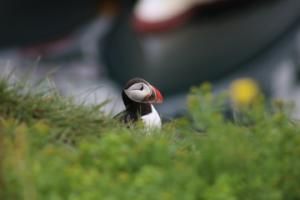
When you think of Iceland's birds, the Atlantic Puffin is likely to be the first one that comes to mind. Their iconic look of a black and white body complimented with a colourful orange beak has even given them the nickname 'the clown of the sea'! Here are 10 facts you may not have known about the Atlantic Puffin..

TOURS CANCELLED: The safety of our passengers, team and crew members is always our number one priority and therefore we regret to inform you that we have made the decision to bring all our tours to a halt until further notice. In the meantime, we will be preparing for when things are back to normal.

Elding has a long standing commitment to reducing its carbon footprint. On board our boats and throughout our premises, we work hard on implementing extensive recycling routines with the assistance of our incredible team of staff and passengers alike. We had seen an increase in use of single-use coffee cups throughout the years, so we decided to take matters into our own hands.
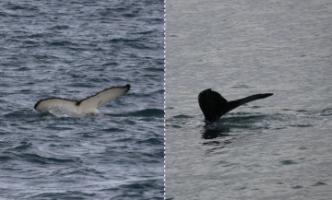
A wonderful surprise awaited us in the bay this morning - it was a humpback whale! In the afternoon, we were surprised again by yet another humpback whale! Our research team has since determined that both whales are new to the area. Very exciting!
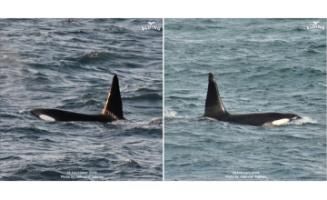
Our research team just positively identified the male orca we encountered in Faxaflói bay last weekend as the same individual that we encountered in a similar area earlier this year! Interestingly enough, on 28 February the male was seen travelling with another male, but it seems to have returned on 15 December with a juvenile, a female and her calf!
We did it again! Elding has received the Platinum Certification from EarthCheck for 2019, for the 11th year in a row!
The certificate is the highest achievement in EarthCheck's ranking and is awarded to those organisations that successfully meet the environmental requirements with a consistent commitment for 10 years or longer.
EarthCheck offers great tools we work with
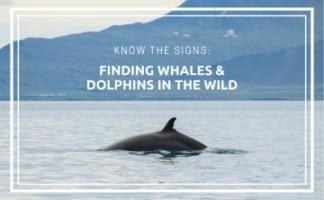
If you're a first time whale watcher it is perfectly normal that you don't exactly know what to look for, but you should know that whale watching with Elding is a team effort and everyone on board is encouraged to help out. There are a few tips and tricks that can help you identify signs of whales and dolphins from a distance, and a few things to keep in mind when venturing out into open seas.