




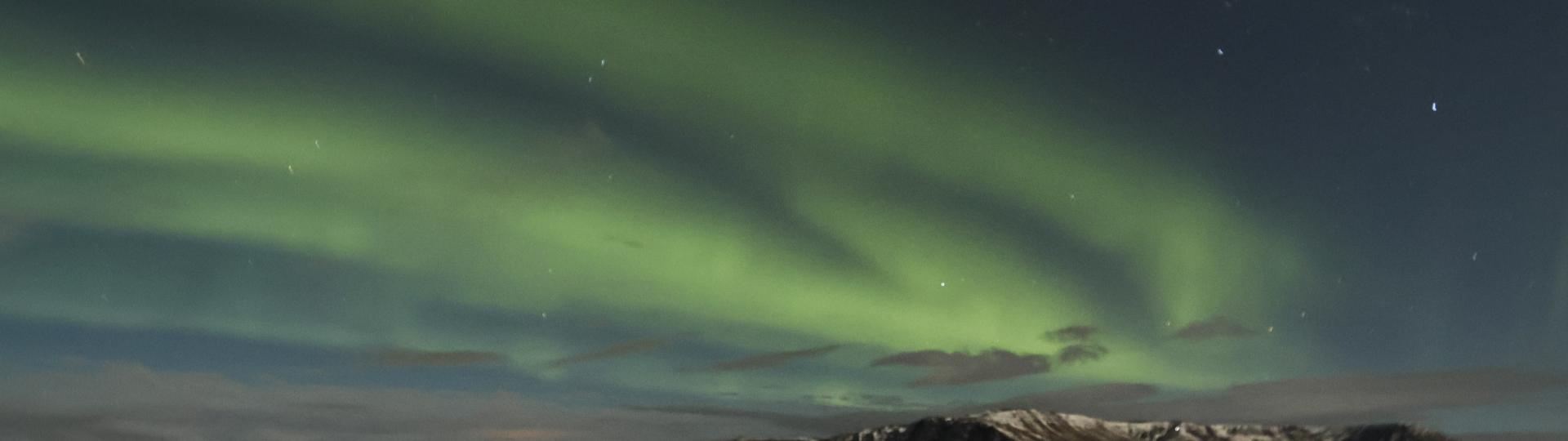
Few natural phenomena are as mesmerising as the aurora borealis. These shifting curtains of colour sweep across the polar skies, painting them in hues of green, pink, and violet. The lights are caused by charged particles from the Sun interacting with Earth's magnetic field and atmosphere - a beautiful reminder of the connection between our planet and space. While their appearance may seem unpredictable, scientists have developed ways to understand when and where they might occur. By studying solar activity, weather conditions, cloud cover, and the Kp index, we can estimate the likelihood of seeing this captivating display in the Icelandic night sky.
Predicting the Northern Lights
Since the aurora borealis is a natural phenomenon, sightings can never be guaranteed. Forecasts often take several factors into account, including cloud cover, moonlight, temperature, weather conditions, and the Kp index, which measures levels of geomagnetic activity on a scale from 0 to 9. The Kp index is a helpful indicator, but it should be treated much like a weather forecast - informative, yet never entirely certain.
But what is the Kp index exactly? It’s a common misconception that a higher Kp number simply means a greater chance of seeing the Northern Lights. In reality, it describes how far from the poles the auroral oval extends. A high Kp level means that auroral activity reaches further south, making sightings possible in regions that normally wouldn’t see them. Here in Iceland, we sit right within the auroral zone, where the lights are regularly visible. That means even a Kp index of 2 can produce a stunning display. It is not a "2 out of 9" chance, but rather a strong indication that auroras are active overhead.
From Iceland’s prime location inside the auroral zone, the aurora can be seen stretching from about 80 kilometres (50 miles) up to 640 kilometres (400 miles) above the Earth, weaving and shimmering in ribbons of green, pink, and violet light. By following geomagnetic forecasts and observing conditions carefully, we maximise the chances of catching these spectacular displays when nature decides to perform.
Our team keeps a close eye on real-time solar and geomagnetic activity, using tools such as the Kp index to anticipate when displays are most likely. When solar storms or coronal mass ejections (CMEs) occur, the auroras often appear brighter, more dynamic, and spread across a wider area of the sky.
Understanding the Kp Index Better
The Kp index is a scale used to measure levels of geomagnetic activity in the Earth’s atmosphere. It is calculated by averaging data from several magnetic observatories located around the world, recorded every three hours. The scale runs from 0 to 9, where 0 indicates calm conditions and 9 represents an extreme geomagnetic storm. Such strong storms are very rare, typically occurring only once or twice during an entire solar cycle, which lasts about 11 years. Any reading of Kp 5 or higher is considered a geomagnetic storm.
The index was first introduced in 1939 by Julius Bartels, a German scientist. The term “Kp” stands for Kennziffer Planetarische, which roughly translates to planetary index number. In English, it is most often referred to simply as the planetary index.
While the Kp index is a useful indicator of global geomagnetic activity, it doesn’t directly forecast aurora visibility for specific locations. This is because it reflects worldwide averages taken from low-latitude stations, not local magnetic variations. A high Kp value generally means that auroral activity is more likely across the globe, but local conditions can vary greatly.
Scientists distinguish between geomagnetic storms (large-scale disturbances) and substorms, which are smaller, more localised magnetic events. The Northern Lights are more closely linked to substorms, which are responsible for the regular displays seen in high-latitude regions.
Kp Index explained:
- Image
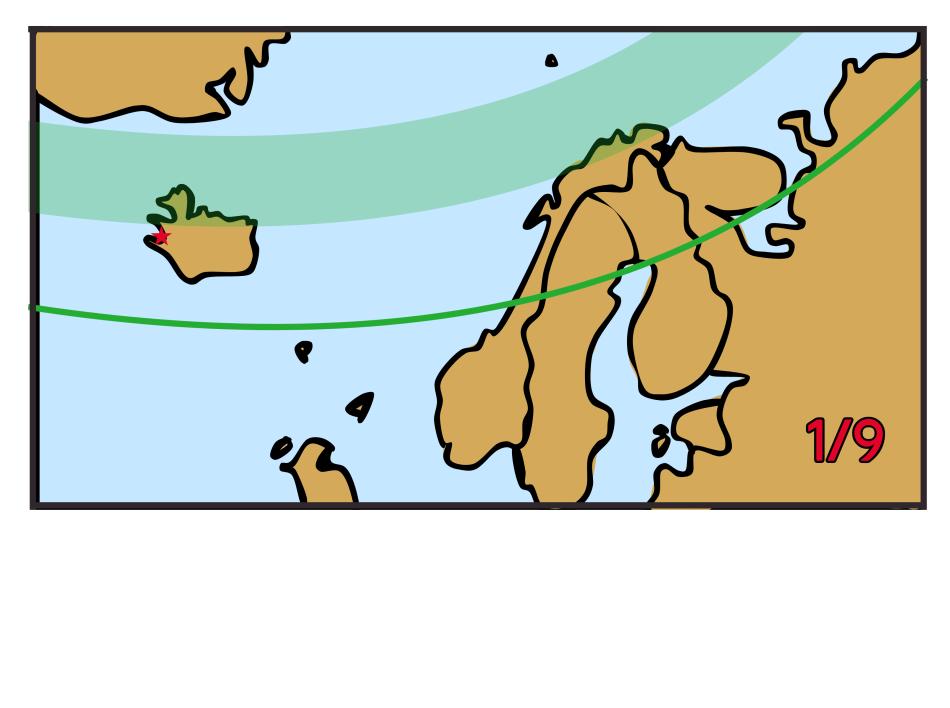 Kp 1/9 - If skies are clear, faint auroras may appear directly overhead in northern Iceland, and across northern parts of Norway. From further south in Iceland, they might be seen very low on the northern horizon.
 - Image
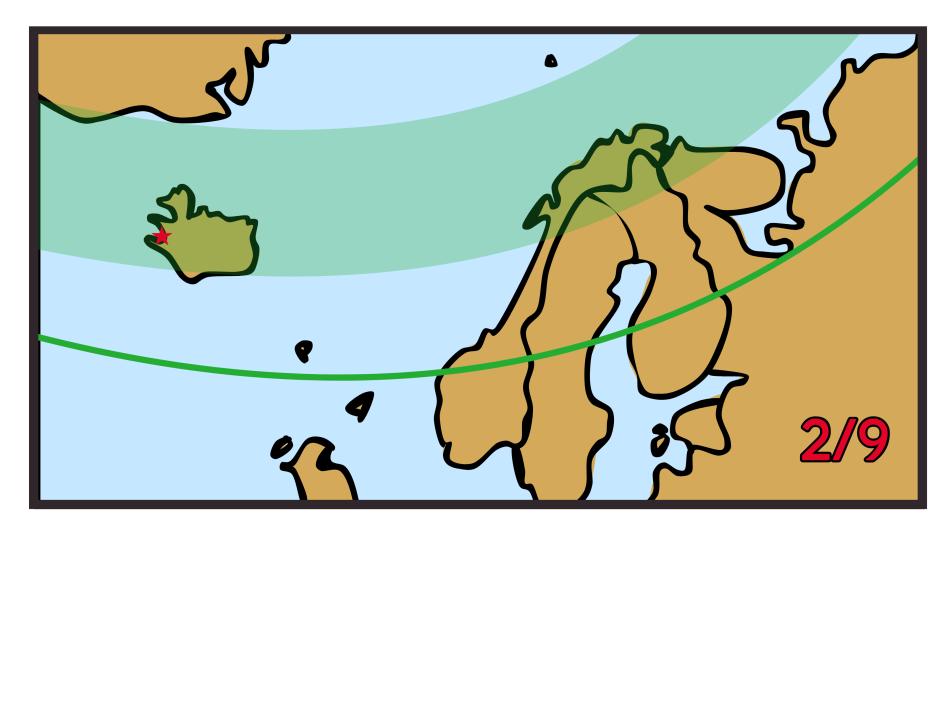 Kp 2/9 - Low-level auroras are likely visible overhead in Reykjavík and throughout most of Iceland. Displays may also be seen over Tromsø, Norway, and faintly along the northern horizon as far south as the Faroe Islands and Trondheim, Norway.
 - Image
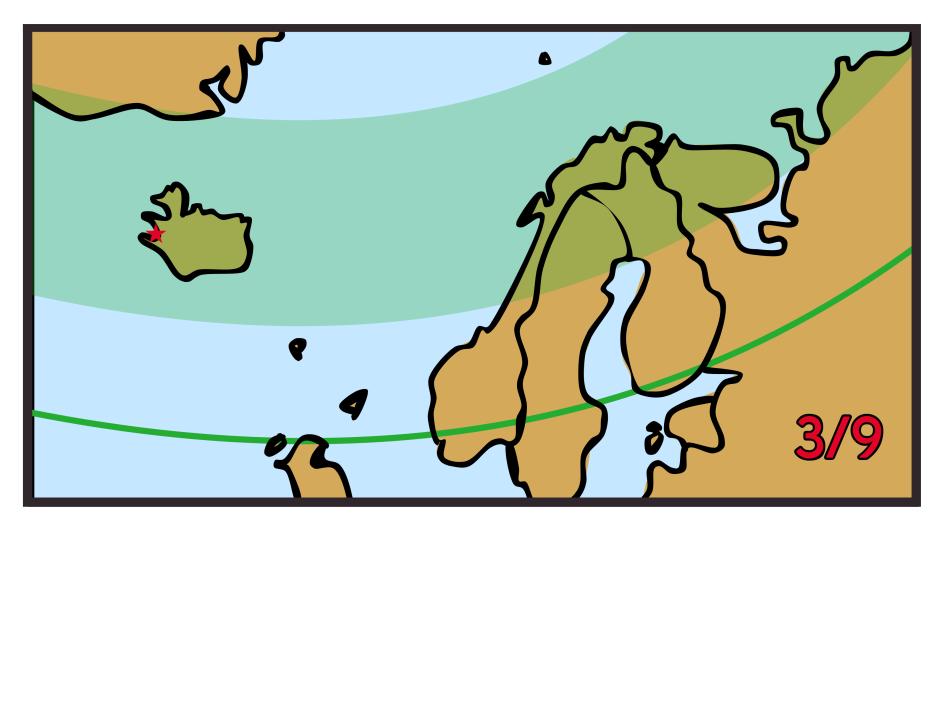 Kp 3/9 - Moderate activity means auroras are often visible across all of Iceland, especially on clear nights. Displays may stretch overhead in Reykjavík and Akureyri and can sometimes be seen as far south as the Shetland Islands or Sundsvall, Sweden.
 - Image
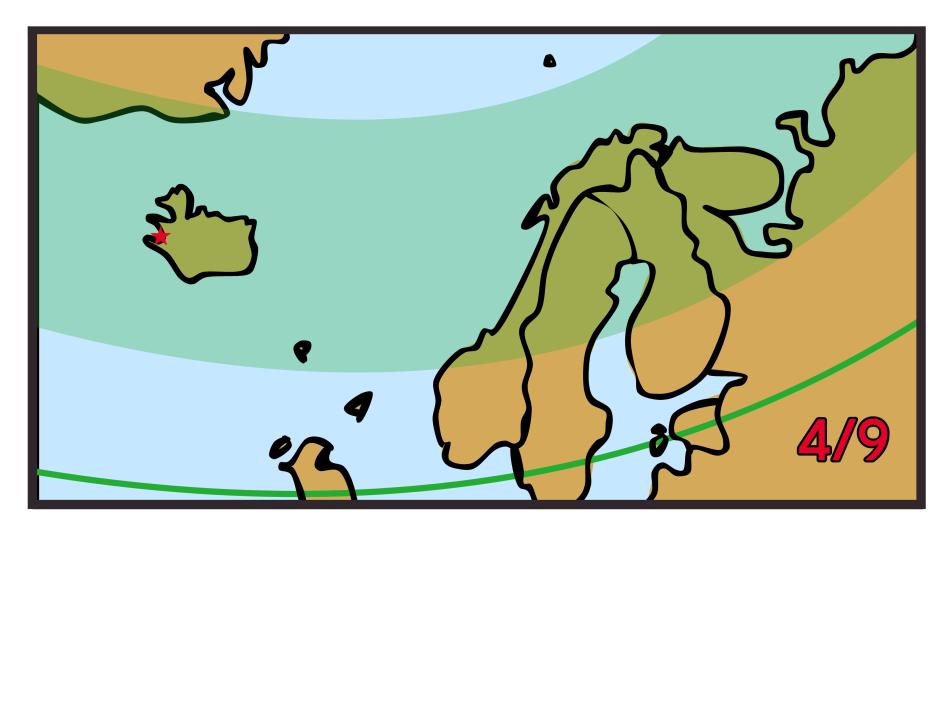 Kp 4/9 - At this level, bright, active auroras are usually visible throughout Iceland, even from city areas with some light pollution. The auroral oval widens, bringing visibility further south across Scotland, Sweden, and Finland.
 - Image
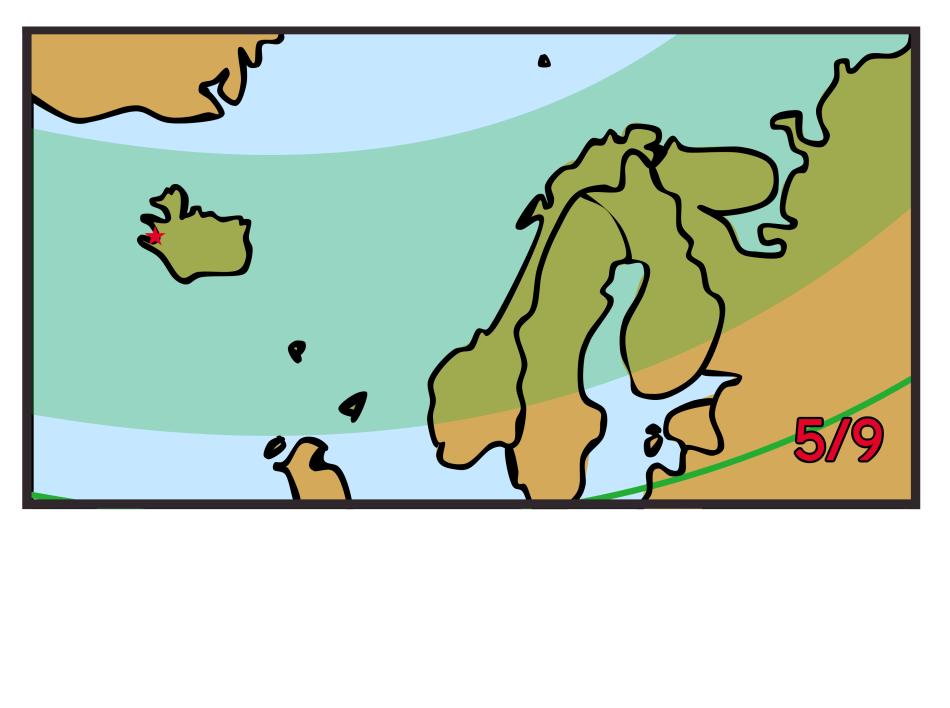 Kp 5/9 - This is the threshold for a geomagnetic storm. In Iceland, the sky often fills with dancing lights, visible from horizon to horizon. Displays may reach as far south as northern England and Estonia, appearing low on the horizon.
 - Image
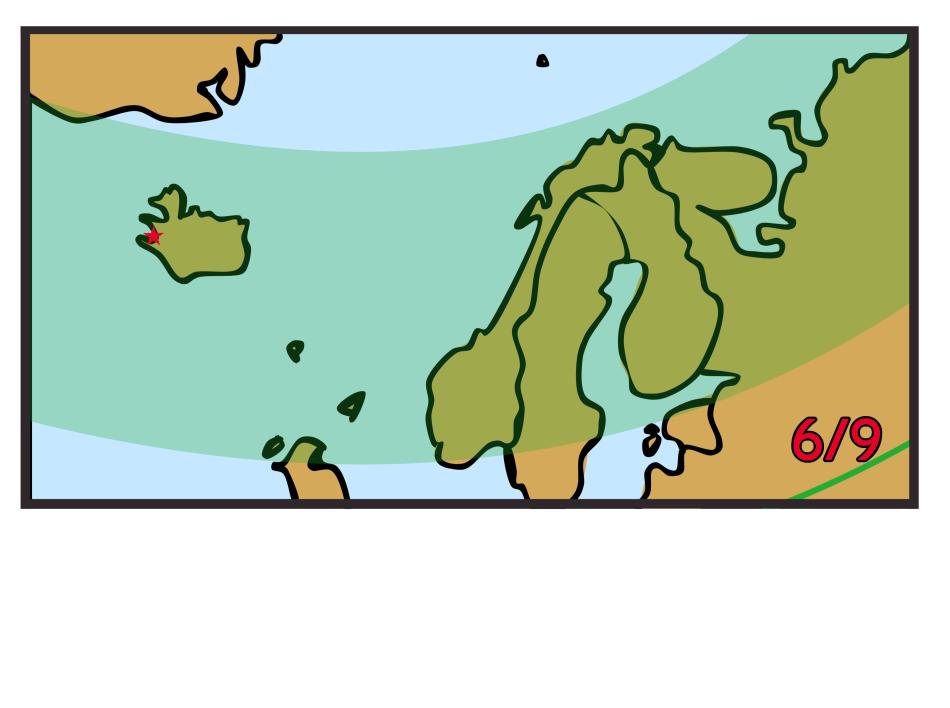 Kp 6/9 - Strong activity with intense auroras covering all of Iceland. Colours are typically brighter, with movement visible. At this level, sightings extend across much of Scandinavia and even the northern horizon in central Europe.
 - Image
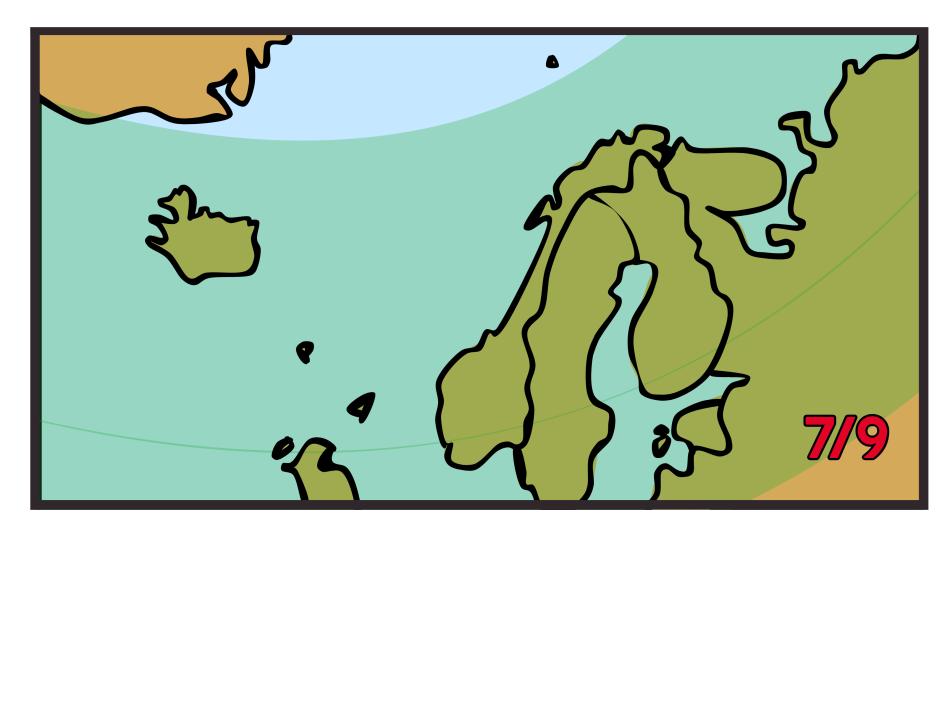 Kp 7/9 - Brilliant, multi-coloured auroras dominate Iceland’s skies, visible even in areas with moonlight or urban glow. The lights may be seen overhead as far south as Scotland, St. Petersburg, and low on the horizon in Ireland and northern Germany.
 - Image
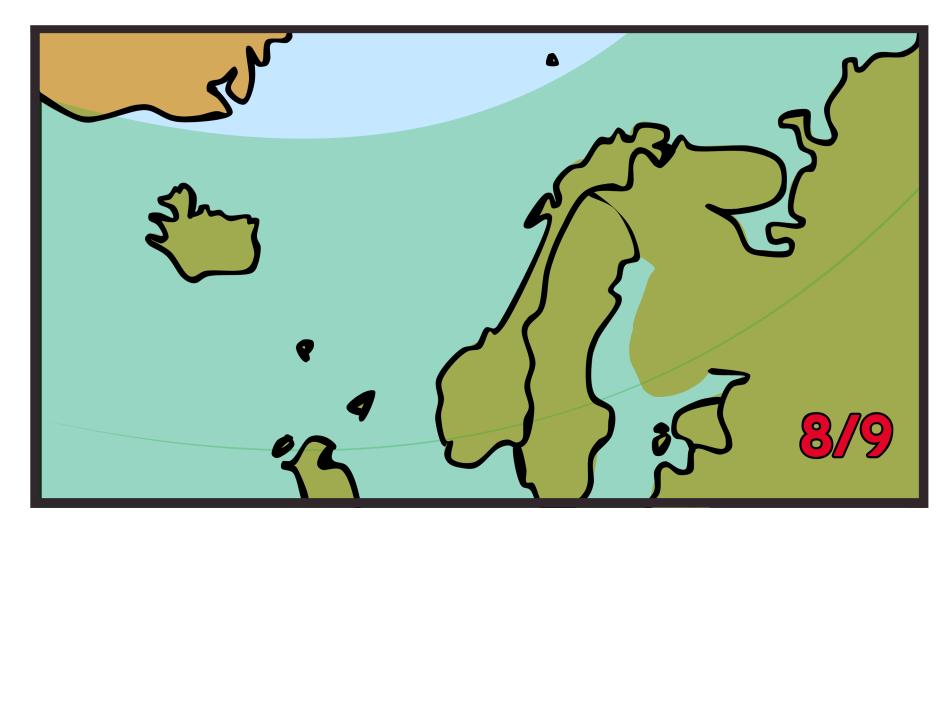 Kp 8/9 - Extremely high activity. Spectacular auroral displays cover all of Iceland, stretching across the entire sky and visible even through partial cloud. At this level, auroras may reach northern France, Germany, and Poland.
 - Image
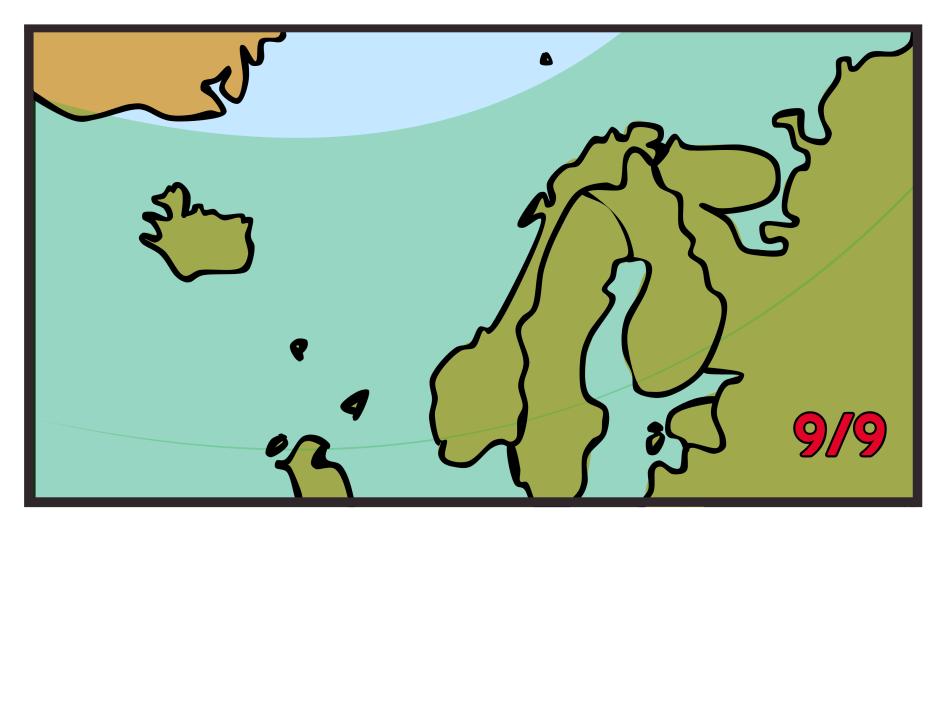 Kp 9/9 - A rare and remarkable event, often linked to major solar flares or coronal mass ejections (CMEs). The aurora oval expands dramatically, covering the entire North Atlantic region, even southern France or northern Spain.
The Northern Lights are a natural wonder created by solar energy colliding with Earth’s atmosphere, most visible within the auroral zone, where Iceland is perfectly situated. Though their appearance cannot be guaranteed, careful monitoring of solar activity, weather, and the Kp index helps indicate when conditions are favourable.
It is important to remember that the Kp number is not a rating of your chances to see the lights, but rather a measure of how far auroral activity extends from the poles. In Iceland, even a modest reading of Kp 2 can bring bright, vivid displays overhead. Ultimately, predicting the aurora is much like forecasting the weather - informative, but never certain - and that unpredictability is part of what makes each sighting so special.
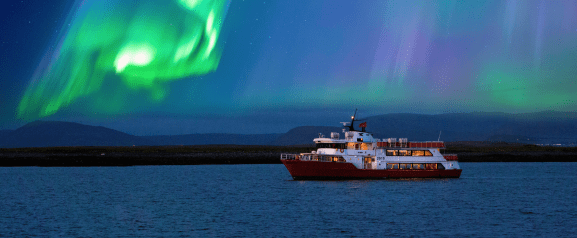
Sail into Faxaflói bay, where Reykjavík's glittering cityscape meets the Northern Lights. A unique winter adventure that sails whenever conditions allow, giving you the best possible chance to enjoy the auroras and city skyline in comfort.
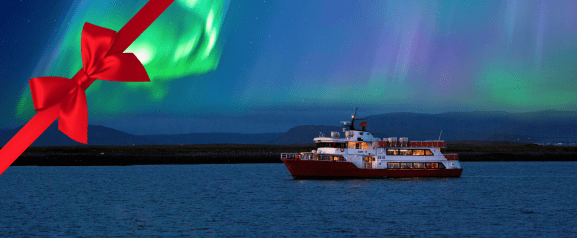

Discover everything you need to know about our Northern Lights Cruise, from what to expect onboard to tips for preparing and maximising your chances of seeing the aurora, this guide covers it all. Learn why a cruise offers a unique vantage point, how we monitor conditions for the best experience, and what makes this adventure so special. Perfect for both aurora enthusiasts and first timers alike!


In Iceland, the Northern Lights are most commonly visible from September to mid-April, painting the night sky with dynamic shapes and vibrant colours under dark, cloudless nights. Explore this FAQ list to uncover everything you need to know about this breathtaking natural phenomenon!